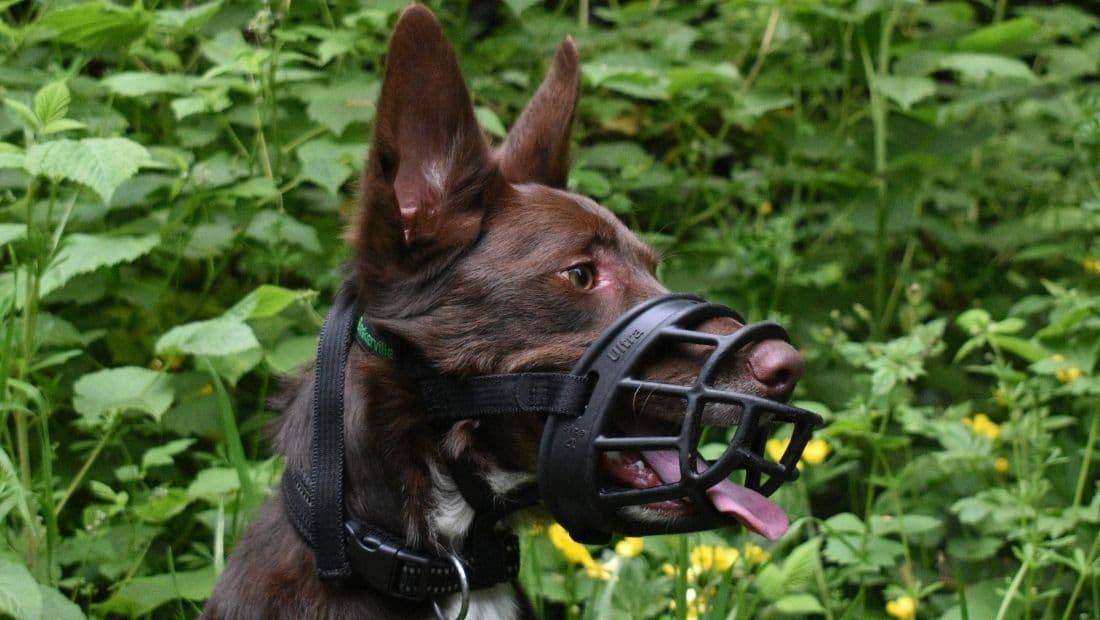
Learn how to train your dog to wear a muzzle safely and choose the right type for their needs. Discover essential tips for effective training and proper fitting.

This guide provides structured steps for effective muzzle training and criteria for selecting the right muzzle type. You'll learn how to introduce muzzles gradually using positive reinforcement, ensuring comfort and safety. Key factors include proper fitting for different muzzle types, recognizing when muzzles are necessary, and dispelling common myths about their use. The focus is on making the experience stress-free for your dog while prioritizing their well-being.
This guide is for dog owners new to muzzle training who need clear, practical steps to introduce muzzles safely. It focuses on structured training methods and type comparisons, avoiding off-topic advice on aggression or breeds. It is not for those seeking in-depth behavioral therapy or breed-specific guidance, who should consult a professional trainer or veterinarian instead.
Muzzle training is a gradual process that helps dogs become comfortable wearing a muzzle for safety and practicality. It emphasizes positive reinforcement, associating the muzzle with treats and calm interactions. Proper fitting is essential to ensure the muzzle allows for breathing, drinking, and panting without restriction. Training should proceed at the dog's pace, avoiding force or punishment. Muzzles are not inherently cruel when used appropriately, serving as tools for safety in situations like vet visits or public settings. The goal is to create a positive experience, ensuring the dog remains relaxed and confident while wearing the muzzle.
Proper muzzle training ensures your dog remains safe and comfortable in unpredictable scenarios. Begin by introducing the muzzle gradually, allowing your dog to sniff and explore it. Pair the muzzle with positive reinforcement, such as treats, to create a positive association. Never force the muzzle on your dog, as this can cause fear or resistance. Training should be a calm, step-by-step process that respects your dog's pace and comfort level.
Basket muzzles feature a structured cage that fits around the snout and allows for breathing, drinking, and eating. They are ideal for extended wear and are suitable for most dogs. Sleeve muzzles are a flexible tube that covers the snout, designed for short-term use in emergencies or when quick restraint is needed. They do not allow for eating or drinking but provide a secure fit for brief periods. Choose the type based on your dog's needs and the situation in which the muzzle will be used.
| Criteria | Basket Muzzle | Sleeve Muzzle |
|---|---|---|
| Comfort | Allows panting, drinking, and eating | Limited to short-term use |
| Suitability | Prolonged wear, public settings | Short-term or emergency use |
| Fitting Complexity | Requires head shape consideration | Easy to fit with muzzle circumference measurement |
| Breathability | Good airflow | Restricted airflow |
| Usage Restrictions | No restriction on eating or drinking | Prevents nipping but not serious damage |
Basket muzzles allow panting, drinking, and eating but may be bulkier and less comfortable for some dogs. Sleeve muzzles are lightweight and suitable for short-term use but restrict the dog's ability to eat or drink. Both require proper fitting to avoid discomfort, with flat-faced breeds needing extra attention. While basket muzzles offer more freedom, sleeve muzzles are easier to put on and take off. However, sleeve muzzles may not be ideal for prolonged use due to limited functionality.
Avoid forcing the muzzle on your dog, as this can cause stress and resistance. Never use a muzzle for punishment or extended periods, as it may lead to discomfort and anxiety. Ensure the muzzle fits properly to prevent restricted breathing or irritation. Training should be gradual, using positive reinforcement to create a positive association. Skipping these steps can result in fear, reduced effectiveness, and a negative experience for your dog.
If your dog shows signs of severe distress, such as excessive panting, vocalizing, or attempts to remove the muzzle, consult a vet or certified trainer. Persistent resistance, fear-based reactions, or difficulty fitting the muzzle despite proper techniques also warrant professional guidance. A behaviorist can help address underlying issues affecting training success.
This guide draws on veterinary and behavioral research to inform muzzle training methods and type recommendations. Key sources include guidelines from the American Veterinary Medical Association (AVMA) and the Humane Society, which emphasize proper fitting and positive reinforcement. Additional insights come from canine behavior studies and product testing by pet care organizations. All recommendations prioritize comfort, safety, and the dog's well-being.