Learn how desmopressin treats diabetes insipidus in dogs, including diagnosis, symptoms, and management strategies.

Desmopressin is a synthetic ADH analog used to treat central diabetes insipidus (CDI) in dogs by reducing urine output. This guide covers diagnosis, symptoms, and management strategies. It explains how CDI differs from nephrogenic DI and psychogenic polydipsia, highlighting desmopressin's role in managing CDI. You'll learn about water intake monitoring, diagnostic tests like the water deprivation test, and treatment options for different DI types. The guide emphasizes the importance of veterinary consultation for accurate diagnosis and tailored care plans.
This guide is for dog owners managing or suspecting diabetes insipidus in their pets, particularly those exploring desmopressin treatment options. It is not intended for veterinary professionals or individuals requiring emergency care. Readers should have a basic understanding of canine health and common medical terms.
Desmopressin mimics antidiuretic hormone (ADH), which regulates water balance by increasing kidney water reabsorption. In central diabetes insipidus (CDI), the body lacks ADH, so desmopressin replaces this deficiency. Unlike other treatments, it directly addresses the root cause by restoring hormonal function. Nephrogenic DI involves kidney resistance to ADH, requiring different approaches like managing underlying conditions or using thiazide diuretics to reduce urine output.
Desmopressin is effective for central diabetes insipidus but requires careful use. Misdiagnosis can lead to inappropriate treatment. Always confirm the diagnosis with veterinary tests, including water deprivation and desmopressin response assessments. Do not start desmopressin without professional guidance. If the dog shows signs of water intoxication, such as vomiting, lethargy, or seizures, stop treatment and seek immediate veterinary care.
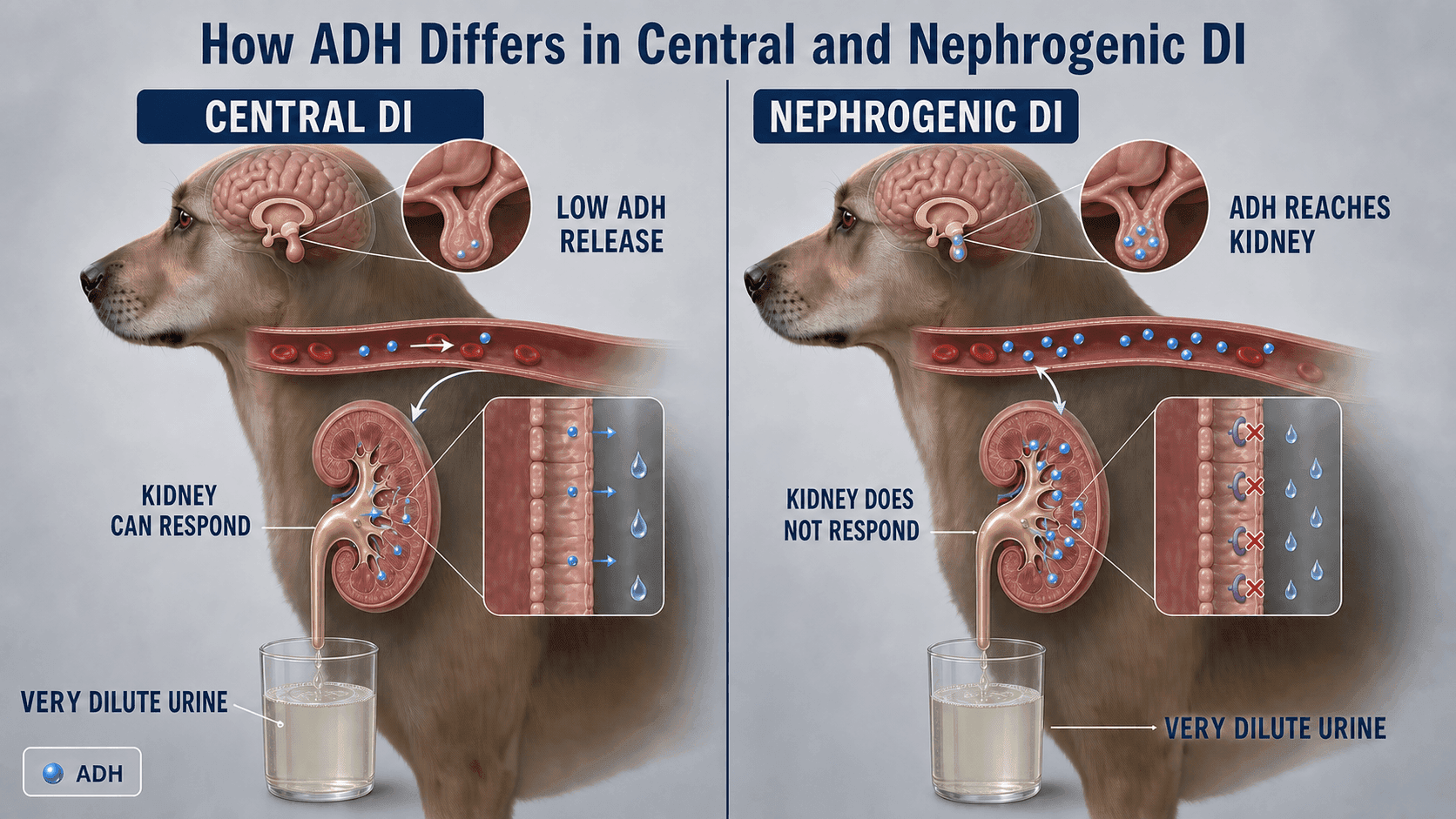
Diabetes insipidus (DI) in dogs is a rare condition characterized by excessive thirst (polydipsia) and urination (polyuria), distinct from the more common diabetes mellitus. It results from a deficiency of or resistance to antidiuretic hormone (ADH), leading to the production of large volumes of dilute, tasteless urine. The two primary forms are central diabetes insipidus (CDI), caused by insufficient ADH production, and nephrogenic diabetes insipidus (NDI), where the kidneys fail to respond to ADH. A related behavioral condition, psychogenic polydipsia, also causes similar symptoms but is a separate disorder.

Prompt: A diagram showing the difference between central and nephrogenic diabetes insipidus, highlighting the role of antidiuretic hormone (ADH) in each condition.
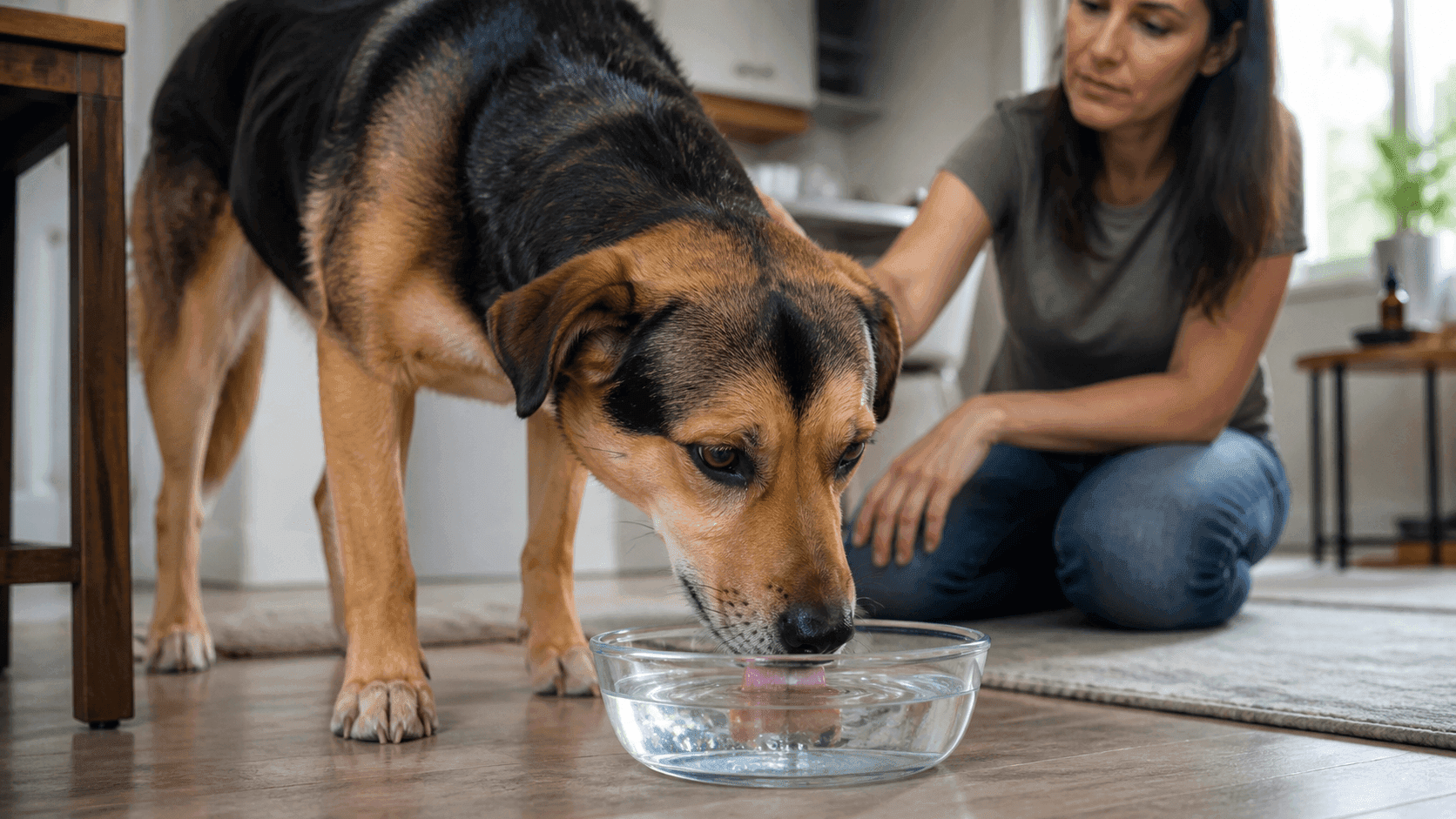
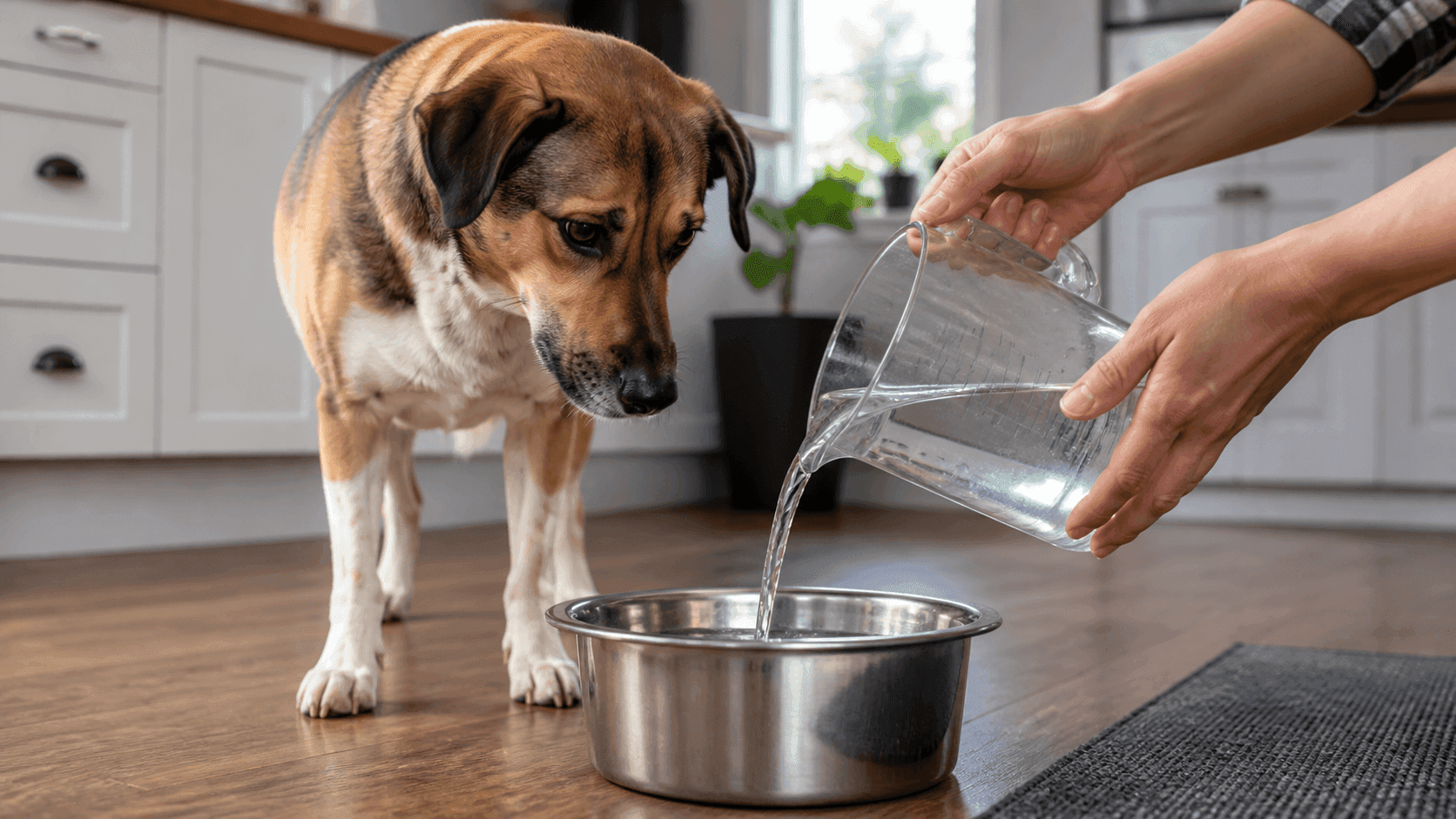
Normal water consumption for dogs ranges from 3 to 11 ounces per 10 pounds of body weight per day. For a 50-pound dog, this equates to 15 to 55 ounces (about 2 to 7 cups) daily. Consumption of more than 15 ounces per 10 pounds of body weight per day for three or more consecutive days is abnormal and warrants veterinary attention. For a 50-pound dog, this is over 9.5 cups per day. To accurately measure water intake, start with an empty bowl, measure water added, record the amount, and at each refill measure the remaining water to calculate consumption. Sum all consumption measurements at day's end.

Prompt: A dog showing signs of polydipsia and polyuria, with a water bowl and a urinalysis sample nearby to illustrate the diagnostic process.
Central diabetes insipidus (CDI) is caused by a deficiency of antidiuretic hormone (ADH), often due to head trauma, brain tumor, inflammatory brain conditions, or congenital malformation of the hypothalamus or pituitary gland. ADH is produced by the hypothalamus and stored in the posterior pituitary gland. CDI occurs when there is insufficient ADH to regulate water reabsorption in the kidneys. Most cases are idiopathic, meaning no identifiable cause is found. Other causes include head injuries, brain tumors, or inflammatory conditions affecting the brain.

Prompt: A veterinarian administering desmopressin to a dog, emphasizing the treatment approach for central diabetes insipidus.
Nephrogenic diabetes insipidus (NDI) occurs when the kidneys cannot respond to ADH, leading to the inability to concentrate urine. Primary NDI is a rare congenital defect where the kidneys lack ADH receptors, typically presenting in puppies. Secondary NDI is more common and results from conditions that interfere with the kidneys' response to ADH, such as infections, Cushing's disease, electrolyte imbalances, and certain cancers. Unlike CDI, NDI does not respond to desmopressin because the issue lies in the kidney's inability to react to the hormone.
Psychogenic polydipsia is a behavioral disorder characterized by compulsive or obsessive water drinking. It is not a true form of diabetes insipidus but can mimic its symptoms. This condition is often linked to psychological factors such as anxiety, boredom, or learned behaviors. Diagnosis requires ruling out other causes of polyuria and polydipsia, as the treatment focuses on addressing the underlying behavioral issues rather than hormonal imbalances.
Diagnosing diabetes insipidus in dogs involves several steps. First, a veterinarian will measure daily water intake and perform a urinalysis to assess urine concentration. A water deprivation test may be conducted to evaluate how the dog's body responds to limited water, though this must be done under veterinary supervision to avoid dehydration. Additionally, a response to desmopressin administration can help differentiate CDI from NDI: dogs with CDI will show improved urine concentration, while those with NDI will not.
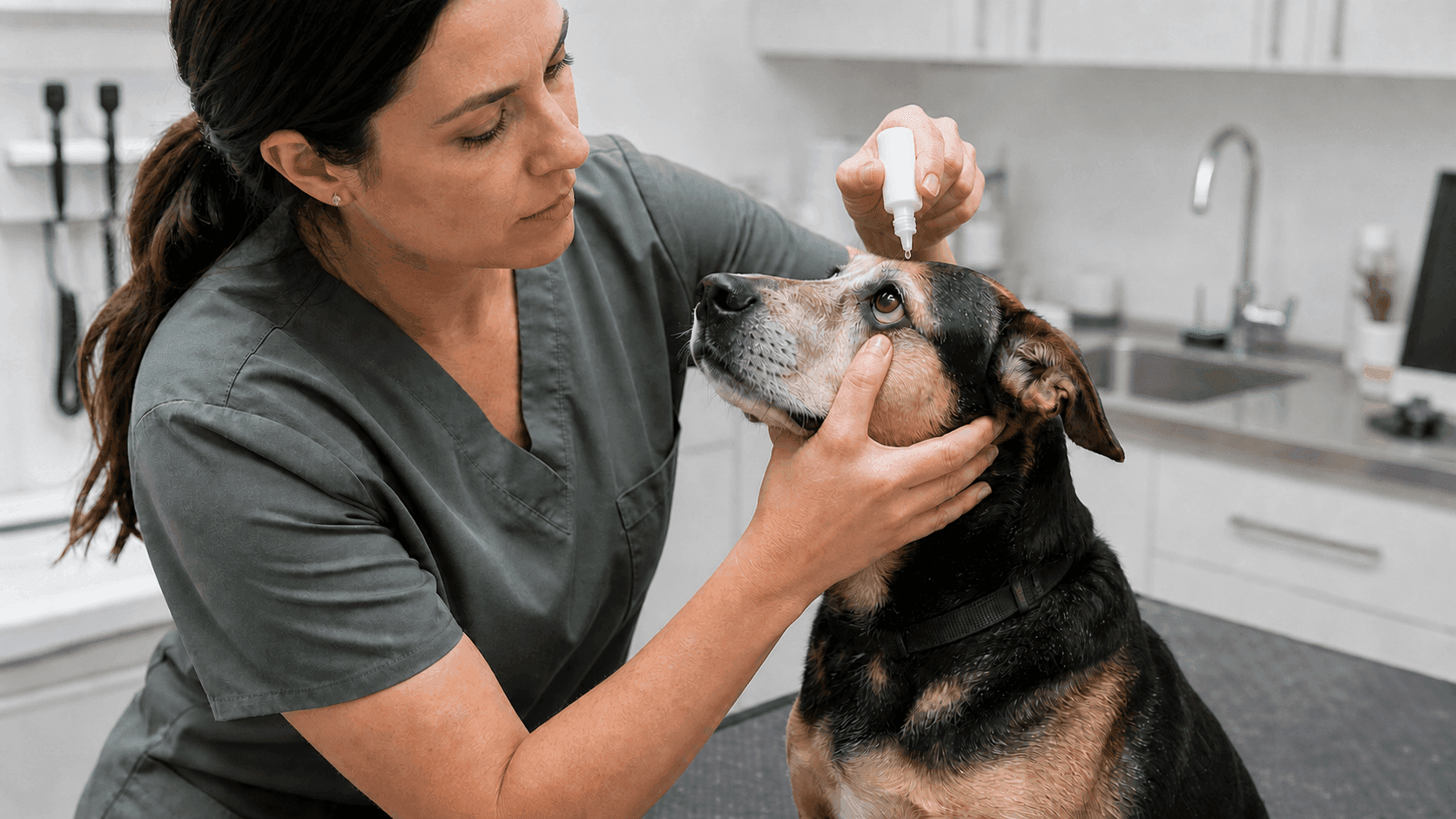
Treatment for central diabetes insipidus (CDI) typically involves desmopressin, a synthetic analog of ADH, which helps regulate water reabsorption in the kidneys. Desmopressin can be administered as eye drops, nasal spray, or oral tablets. For nephrogenic diabetes insipidus (NDI), treatment focuses on addressing the underlying cause, such as managing infections or hormonal imbalances. Additional strategies may include thiazide diuretics to reduce urine output and a low-sodium diet to minimize fluid loss. Management of NDI is often more complex and requires ongoing monitoring.
Diabetes insipidus (DI) management varies based on breed, size, and age. While research does not specify breed predispositions, larger dogs may require adjusted desmopressin dosing due to higher metabolic demands. Age-related factors, such as kidney function decline in older dogs, can influence treatment efficacy and monitoring needs. Puppies with congenital NDI may need specialized care, including dietary adjustments. Tailoring care to individual health profiles ensures optimal outcomes.
Common mistakes in managing diabetes insipidus include inaccurate water intake monitoring, misinterpreting symptoms as normal behavior, and improper desmopressin use. Overlooking consistent water consumption tracking can delay diagnosis, as excessive intake is a key indicator. Confusing polyuria with other conditions like kidney disease may lead to incorrect treatment. Incorrect dosing or administration of desmopressin can result in inadequate symptom control or adverse effects. Proper veterinary guidance is essential to avoid these errors and ensure effective management.
Immediate veterinary care is necessary if your dog shows severe dehydration, such as sunken eyes, dry gums, or prolonged skin tenting. Adverse reactions to desmopressin, including vomiting, lethargy, or swelling, also require urgent attention. Contact your vet if excessive water consumption persists despite treatment or if urine remains consistently dilute.
This guide draws on veterinary research and clinical guidelines from reputable sources, including peer-reviewed studies and established veterinary medical literature. Key references include diagnostic protocols for diabetes insipidus, treatment methodologies for central and nephrogenic forms, and evidence-based practices for managing polyuria and polydipsia in dogs.
After understanding desmopressin treatment, dog owners should consult their veterinarian for personalized care plans. Regular monitoring of water intake and urine output is essential. Follow-up appointments ensure the treatment's effectiveness and adjust dosages as needed.
You might also like these articles.

Learn to differentiate between mast cell tumors and histiocytomas in dogs, including symptoms, diagnosis, and treatment options. Understand when to seek veterinary care.

Learn to spot hidden cat illness symptoms and act early. Vets reveal key signs owners often miss, including appetite changes, weight shifts, and behavior shifts.